Is Facebook the next Vegas?

There was a time when it was cool to have an AOL account. At another time, MySpace was where music, fashion, and the latest trends were all happening.
The internet, like fashion, tends to go in cycles. Unlike fashion, where wide-leg jeans from the 90s are worth holding onto because eventually they’ll be what everyone wants again, once a cycle is dead online, it’s not coming back.
Where Is Facebook Right Now?
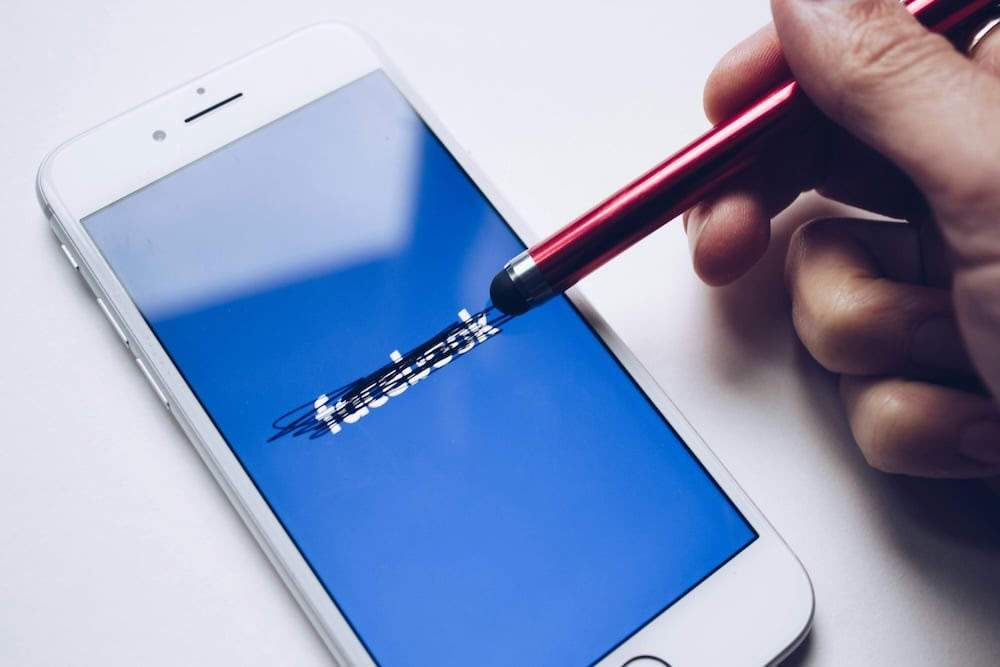
Let’s consider where Facebook is in the cycle. On one hand, it’s the largest network the world has ever known, with 3.56 Billion users. On the other hand, it just reported its first decline in users, and it’s been a long time since anyone has felt like having a Facebook account was a status symbol.
Meta executives will tell you that the user decline was due to internet restrictions that resulted from the wars in Ukraine and Iran, as well as the age-gating that’s currently happening in Australia. The loss was about 200 million people, so it’s possible that those events did contribute, but even if we believed that they accounted for the entire drop, that would mean Meta’s size has remained flat while the total number of people using the internet continues to climb by at least 5% every year.
No matter how you massage the numbers, Facebook is shrinking.
Meta Reports Record Revenue Growth
Before I drop the data, remember that unlike Google and other more diversified tech companies, Meta gets nearly 100% of its revenue from ad sales (ie. us, the marketing leaders).
Here’s the big one: Meta’s revenue increased by 33% this quarter to over $56 Billion. In a single quarter.
How could that be possible when fewer people are using it?
They’re jacking up the prices on advertisers while jamming even more ads into the feed. The total number of ads served is up 19%, while the amount they’re charging for those ads is up 12%.
When you artificially create 19% more supply of something and then charge 12% more, the result is that you squeeze a lot more dollars out of the same customer base.
Brand Challenge
I have a challenge for you: Think of the last time a brand was gradually becoming less popular, less cool, increased prices, and those things led to a positive outcome.
Give up? Me too. (If you can think of one, please let me know. Honestly, I’d love to be proven wrong.)
Instead, we have plenty of examples of declining brands that increased both supply and price that ended badly.
Michael Kors, Cirque du Soleil, and Burberry all rode their popularity until the wheels fell off, increasing prices as they flooded retailers with products. Now, revenue from those once-sought after brands is off by an average of 60% from their peaks.
Vegas may be an ever more direct comparison. It surged in popularity through the 00s and 2010s, which caused over-confident developers to massively increase the price and supply of hotels, casinos, and night clubs. Today, the idea of a Vegas weekend is not the flex that it once was, and the strip is eerily vacant.
So What?
Meta is going all-in on AI as its saviour. But while Microsoft, Google, and the rest of Big Tech are using AI to add features and functionality, Meta is harnessing the world’s most powerful technology to push more ads and charge even more money for them.
The saying goes that it’s always best to leave the party while you’re still having fun. Now, I’m not saying that you should delete your brand’s Facebook Page, but it sure seems like it won’t be long until the lights come on.
When they do, all of the smart marketers will have made sure that they’ve built a solid strategy elsewhere. Everyone else will be left dealing with the same empty dance floors as the brands that stayed too long at the AOL and MySpace parties.
You may also like: